The stage this suburb books, and the one we have a local library for.
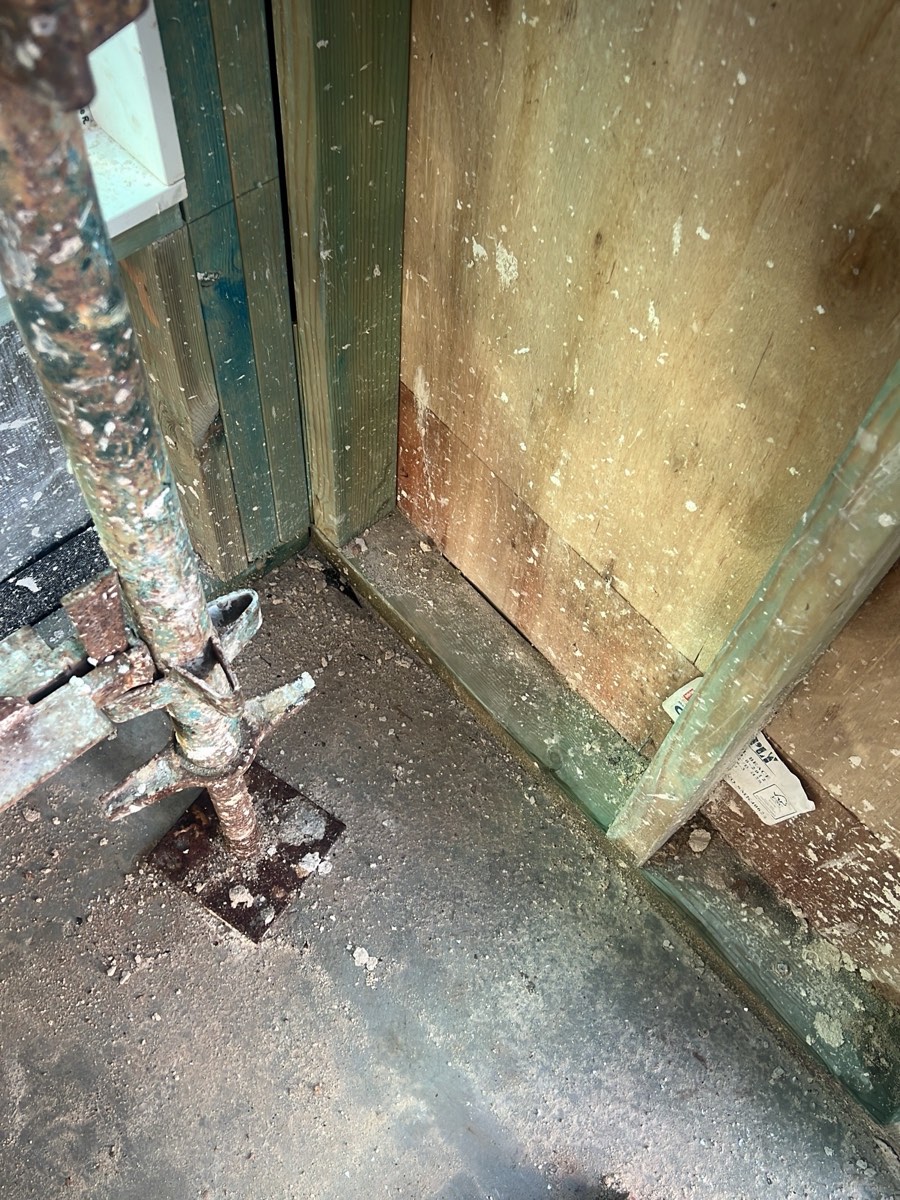
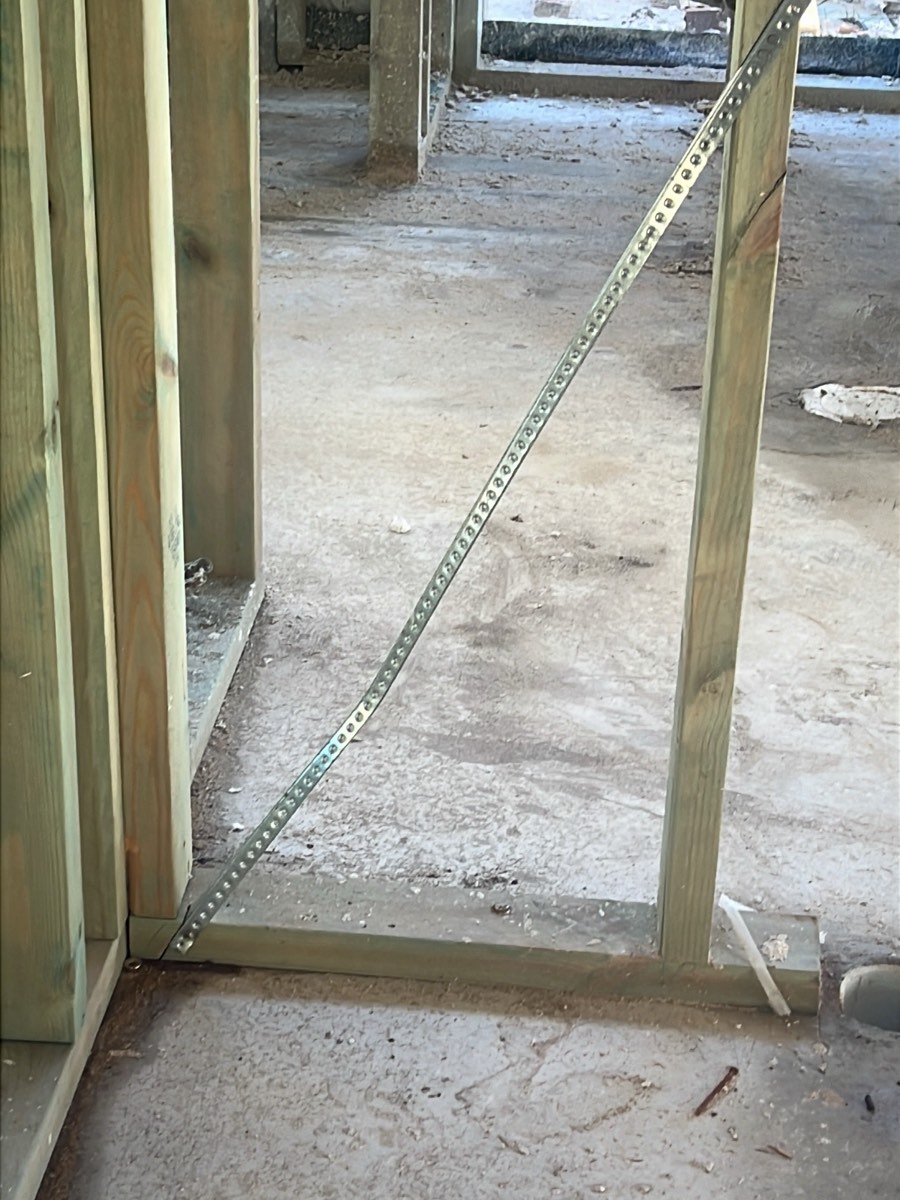
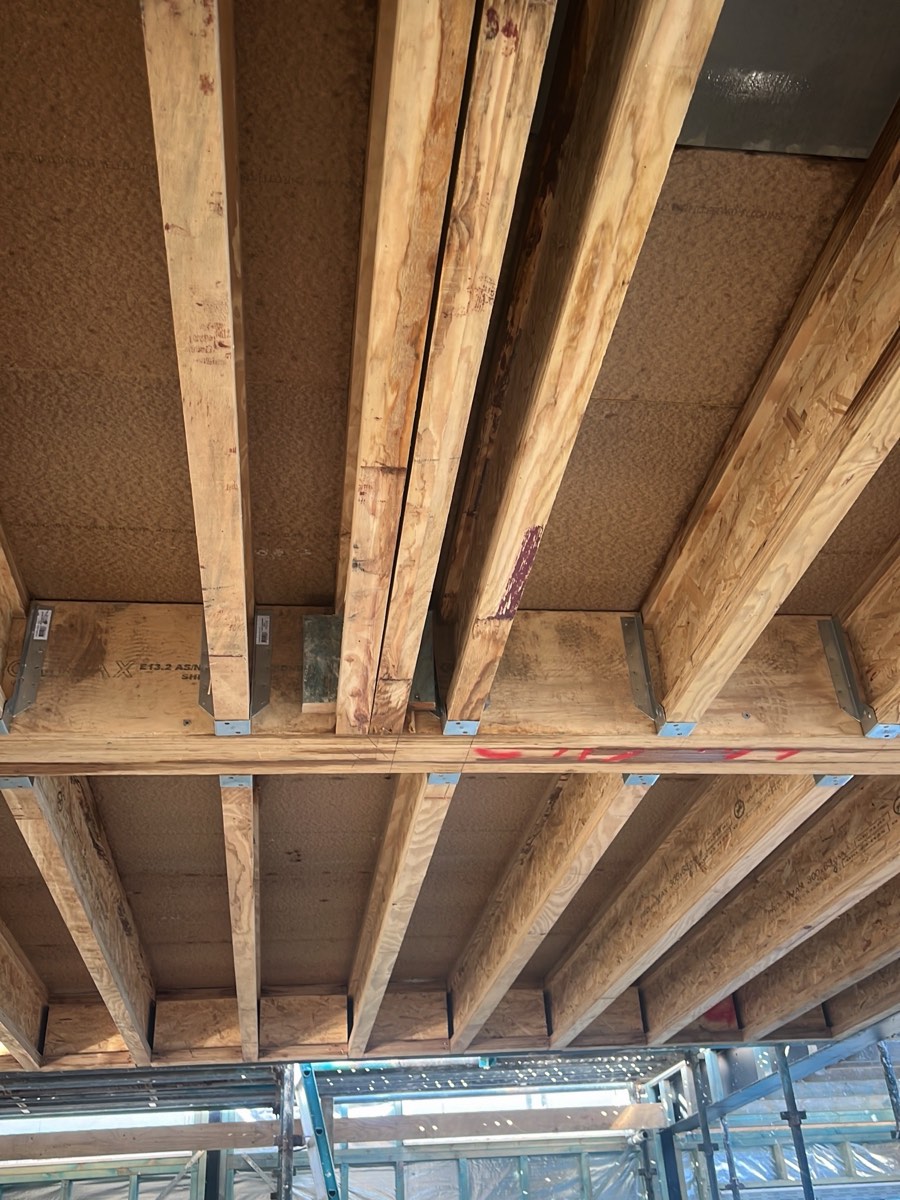
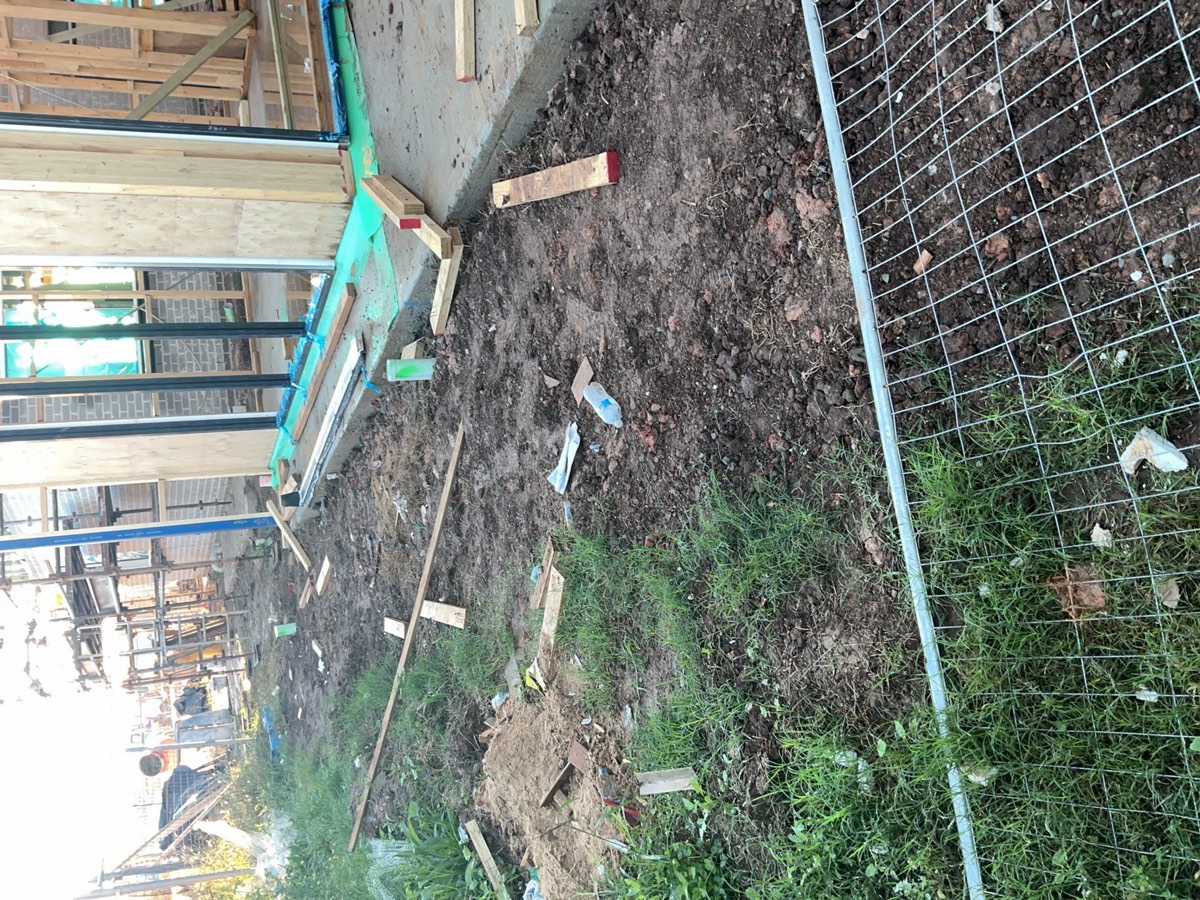
Every photograph on this page from Gledswood Hills itself was taken at one frame inspection, and the findings run right through the tie down chain. A bracing tie down bolt missing. A metal angle brace never tensioned. A hoop strap sitting over the plate rather than around it, three separate times. Joist hangers not installed in a first floor. A rafter cut short of its bearing. A fixing missed on plywood bracing. Stiffeners and bolts at the steel. The Oran Park photographs, four kilometres away and captioned as such, add walls out of plumb beyond tolerance, wall junctions not nailed off, slotted brackets and truss boots not installed and bottom plate tie down spacing.
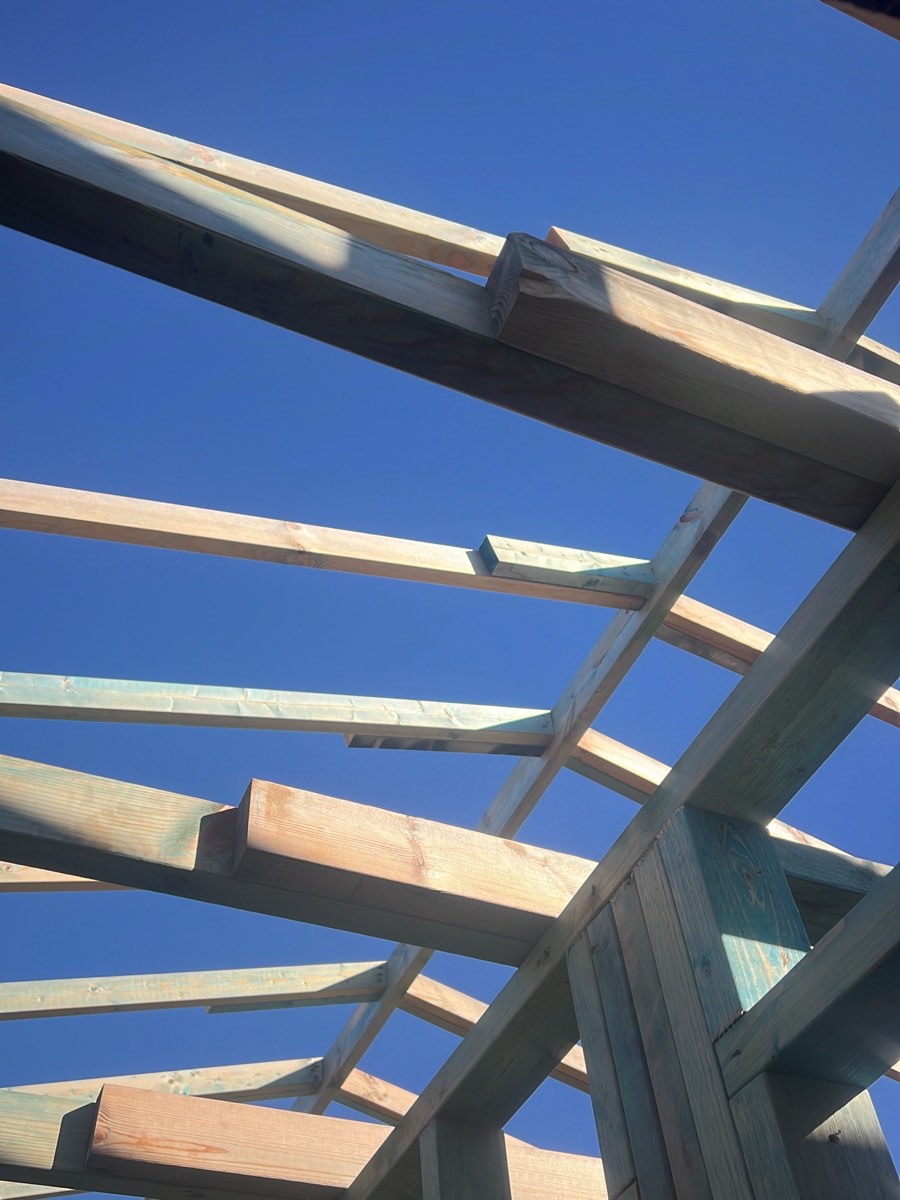
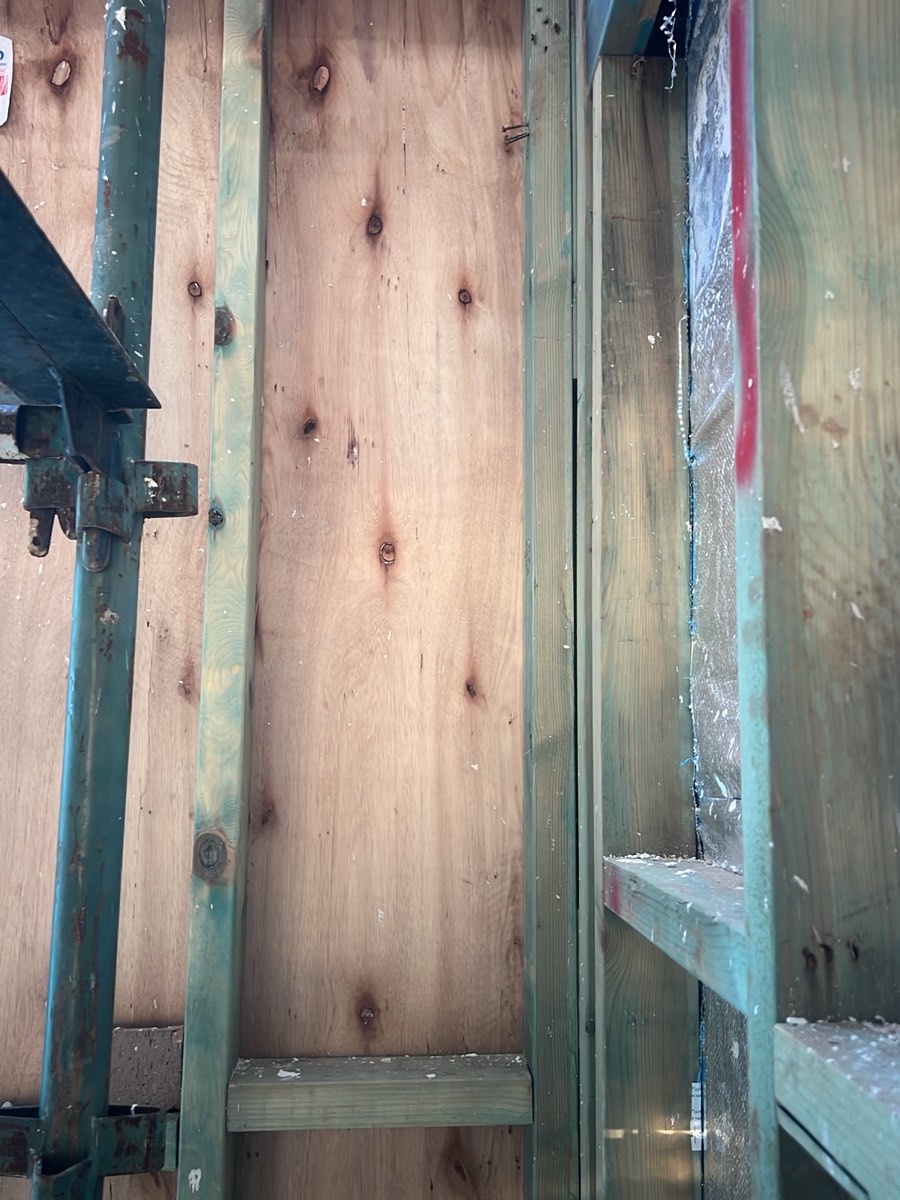
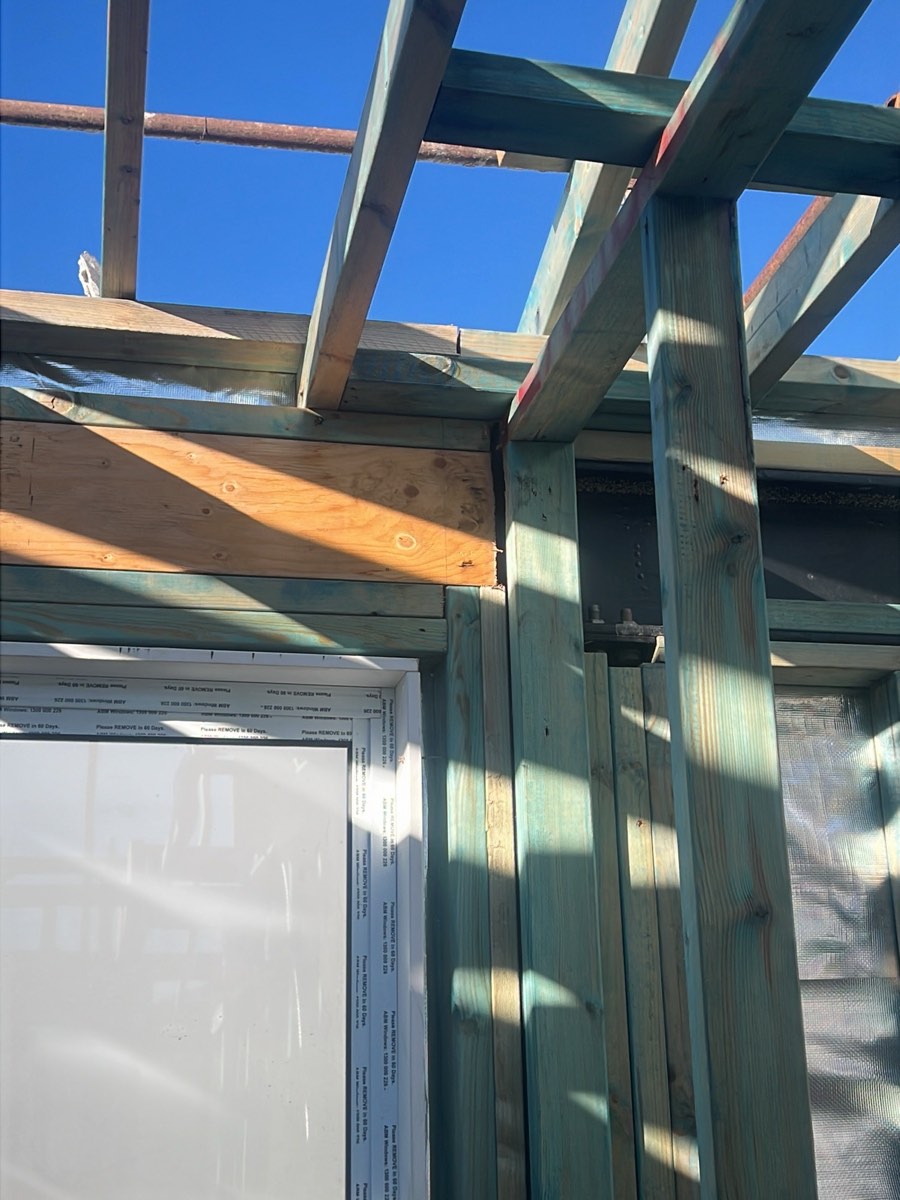
Annotated findings from Frame inspections on Gledswood Hills builds. Client addresses withheld.
 1Bored piersAfter boring and cage placement, before concrete
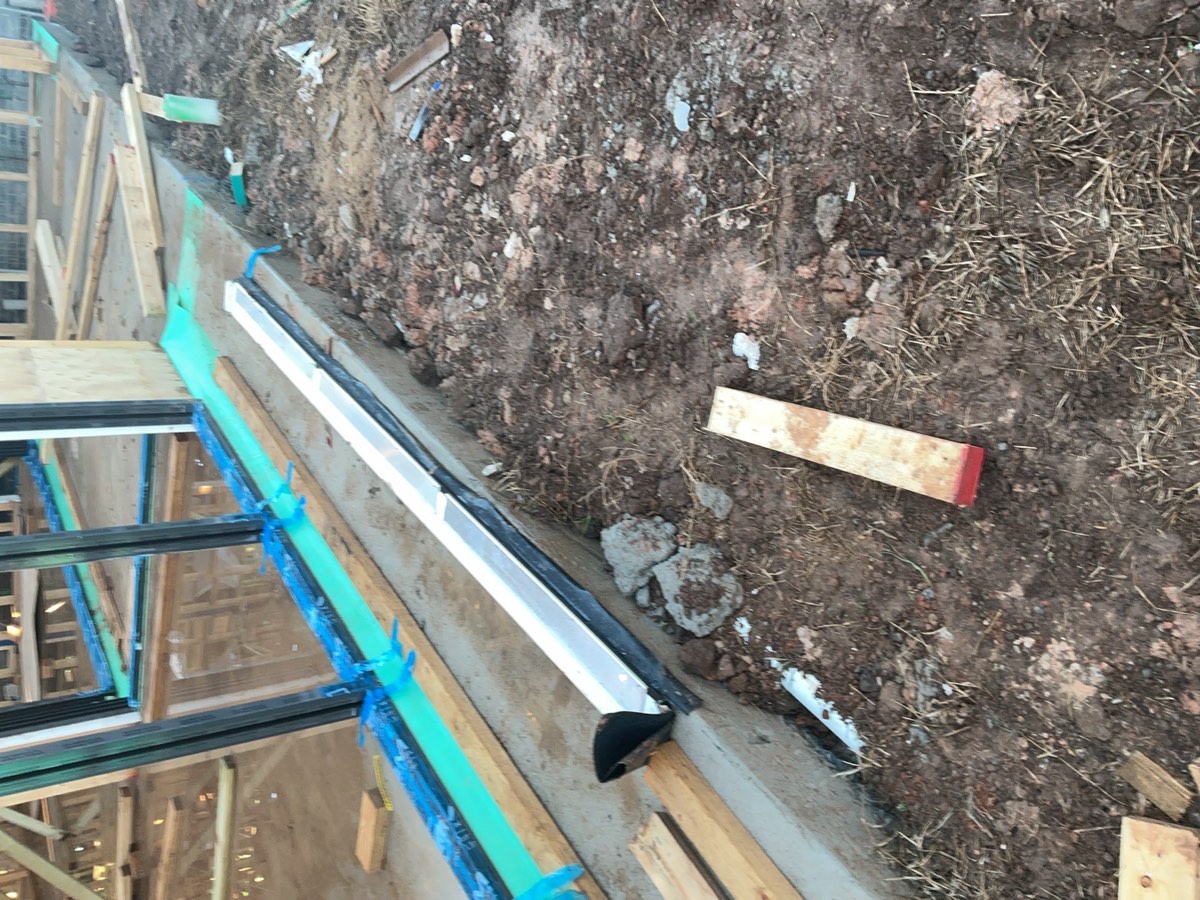 2Slab pre-pourThe day before the pour, steel and formwork complete
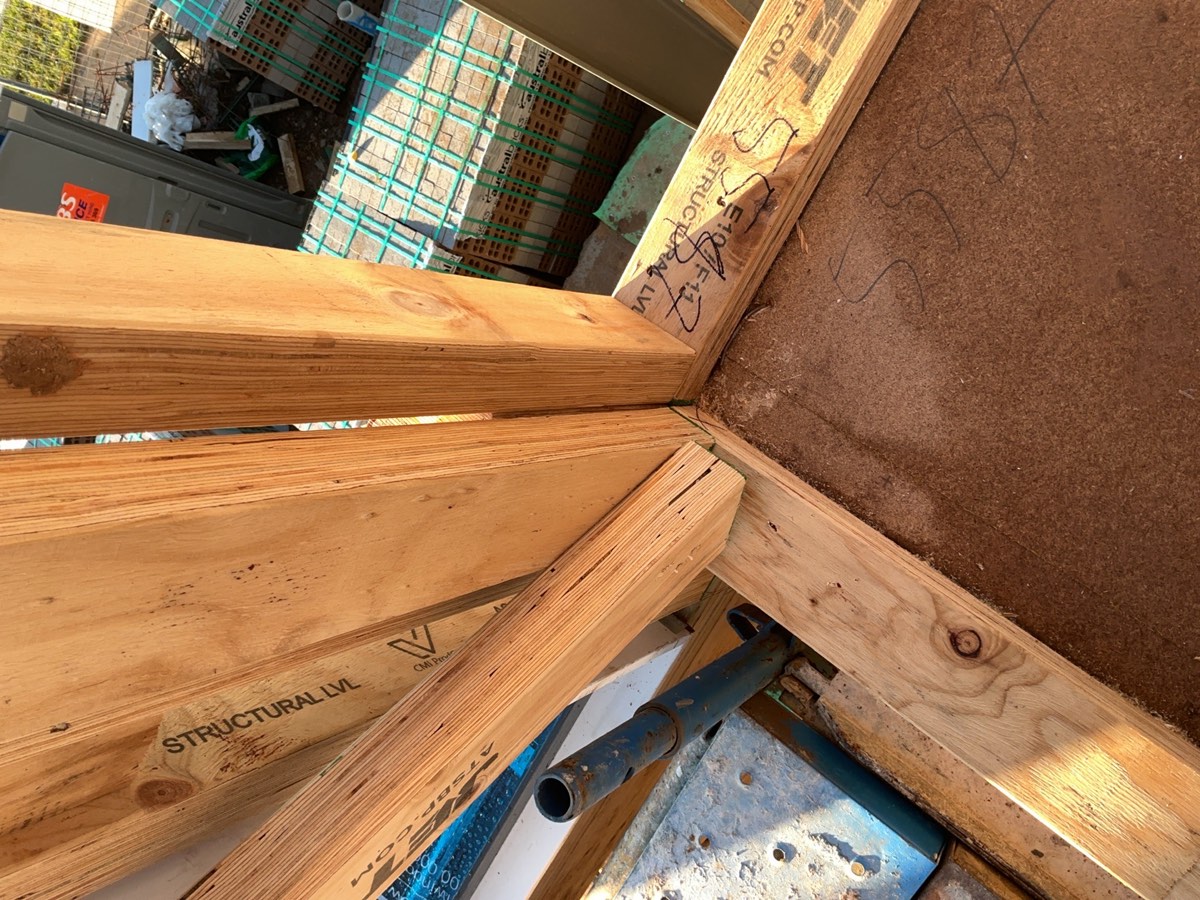 4Lock-up (pre-plaster)After roof, cladding and external doors, before plaster
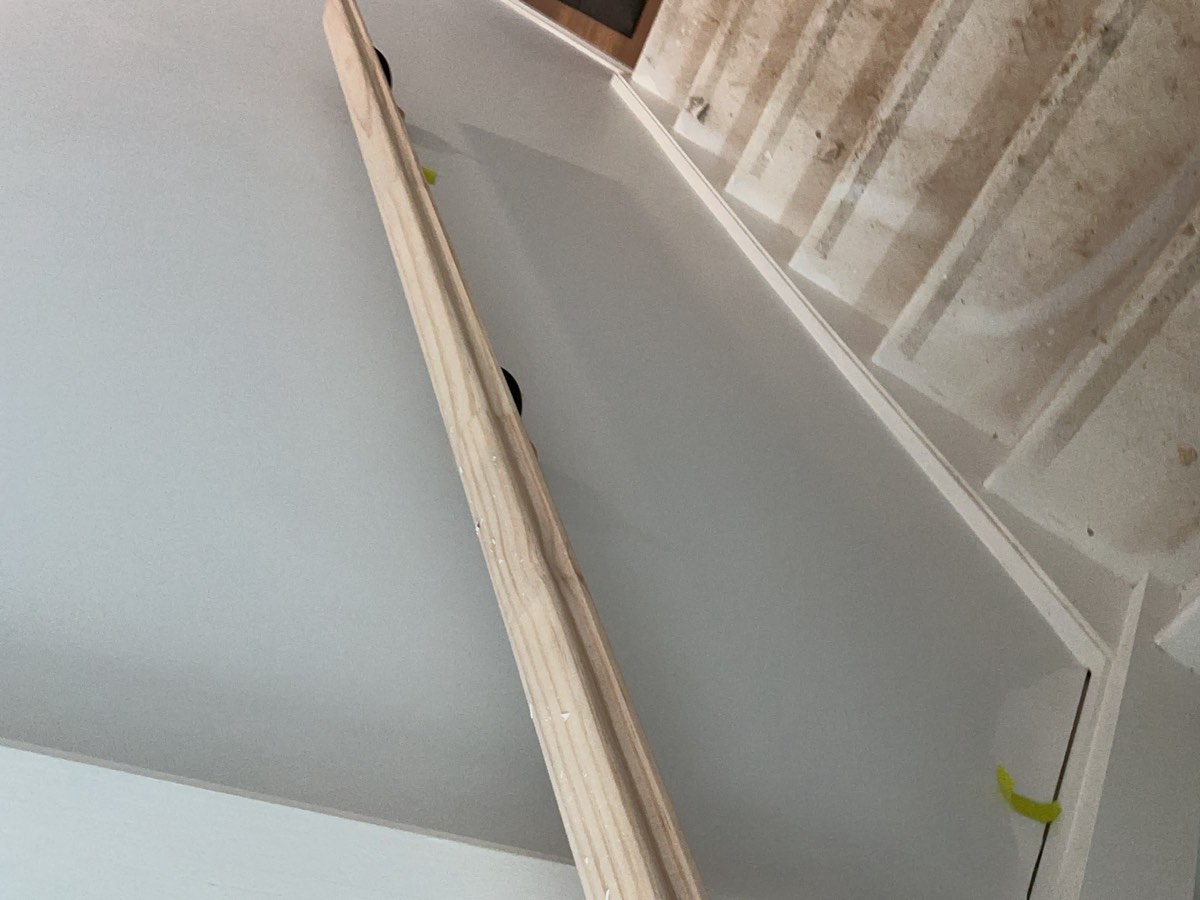 5FixingAfter mouldings, doors and joinery, before the painter
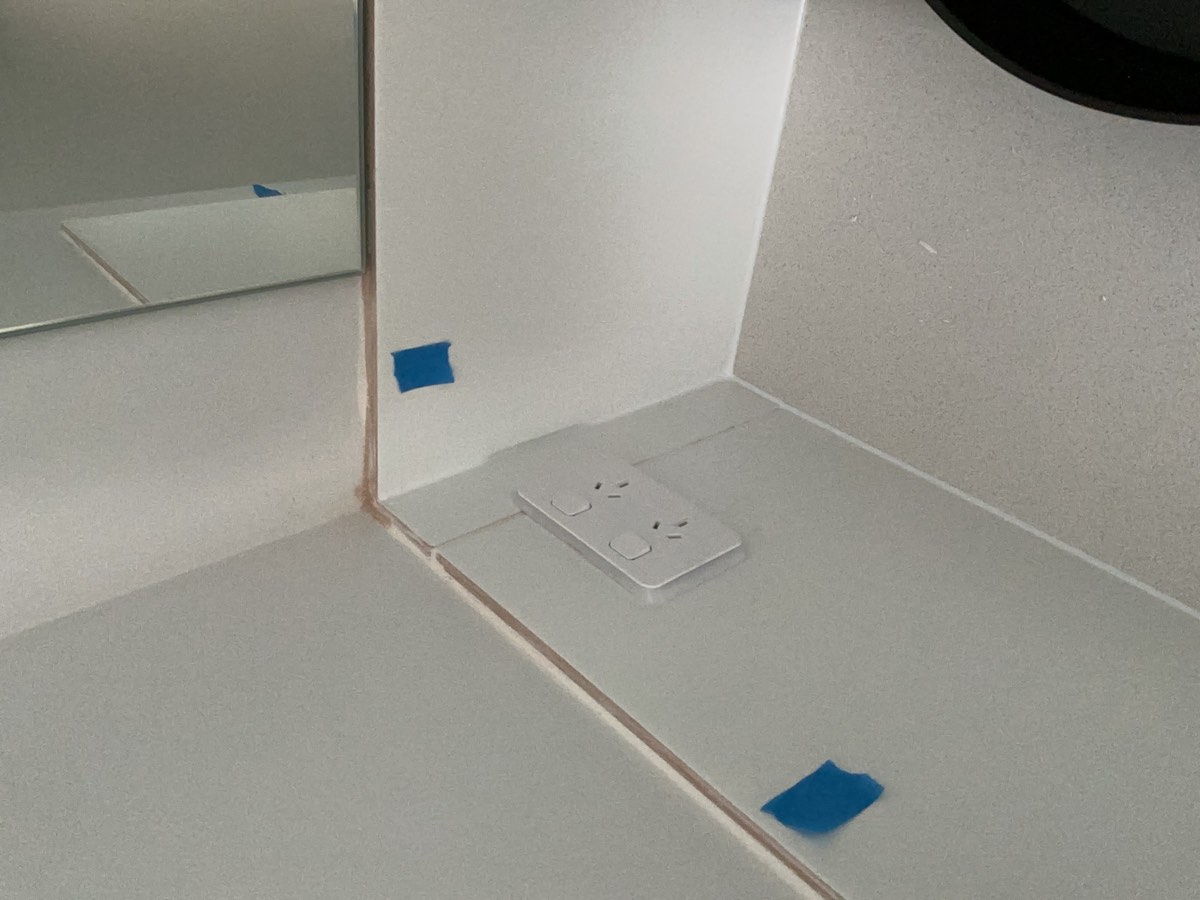 6WaterproofingAfter the membrane is applied and before any tile is laid
 7Pre-handover (PCI)Two to three weeks before your handover date
Instant online pricing, or talk to the booking team on 1300 471 805.
The continuous run of fixings that resists uplift, from roof to slab. Each link is sized for a load. One missing bolt is where the chain gives, and it is a fifteen dollar item at frame stage.
A hoop strap works by wrapping the member it is holding. Sitting over the plate instead of around it, it is nailed to timber it cannot restrain, so the connection reads as complete and is not.
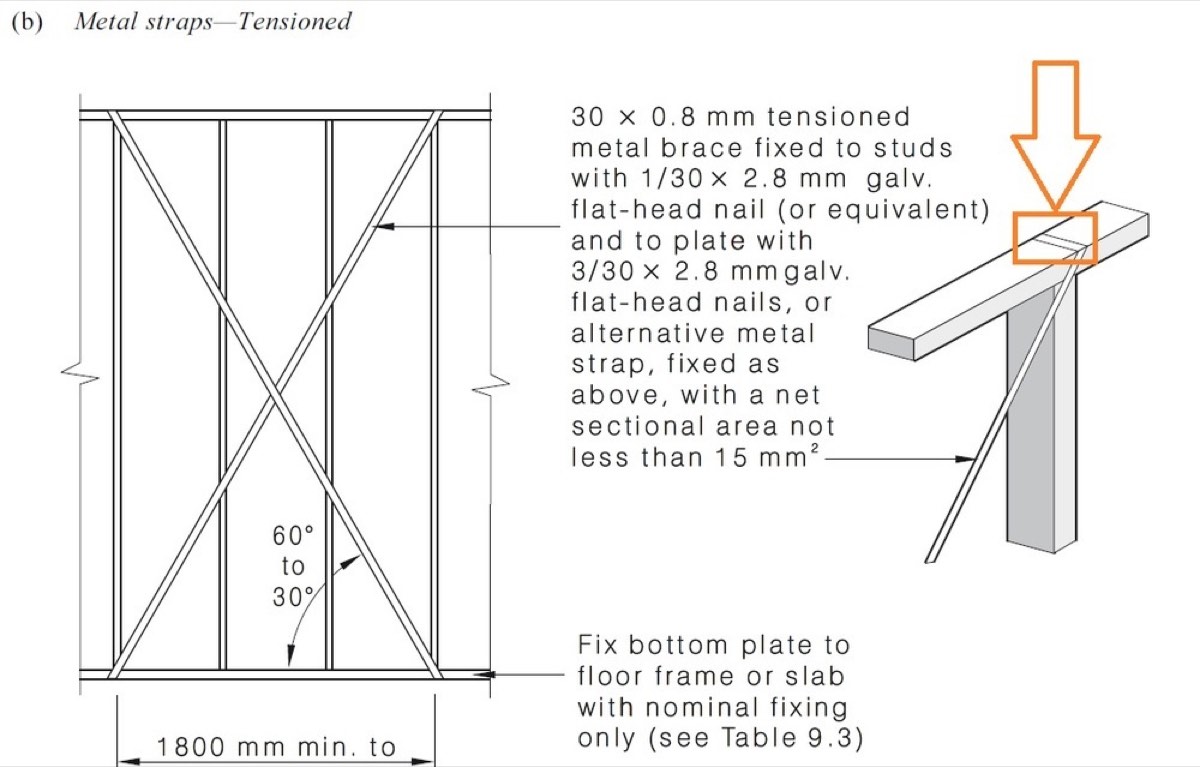
No. A metal angle brace resists racking by working in tension. Slack, it does nothing until the wall has already moved, which is exactly what it was installed to prevent.
Bearing length is specified for a reason. A member cut short of its support carries its load on less timber than the design assumed, and it is reported as a structural item.
Two to three hours on a single storey, longer where an upper frame has to be reached safely.
At lock-up, with each one marked complete, part complete or outstanding, so nothing quietly disappears behind a lining.